Dear Data: Insta Inquiry

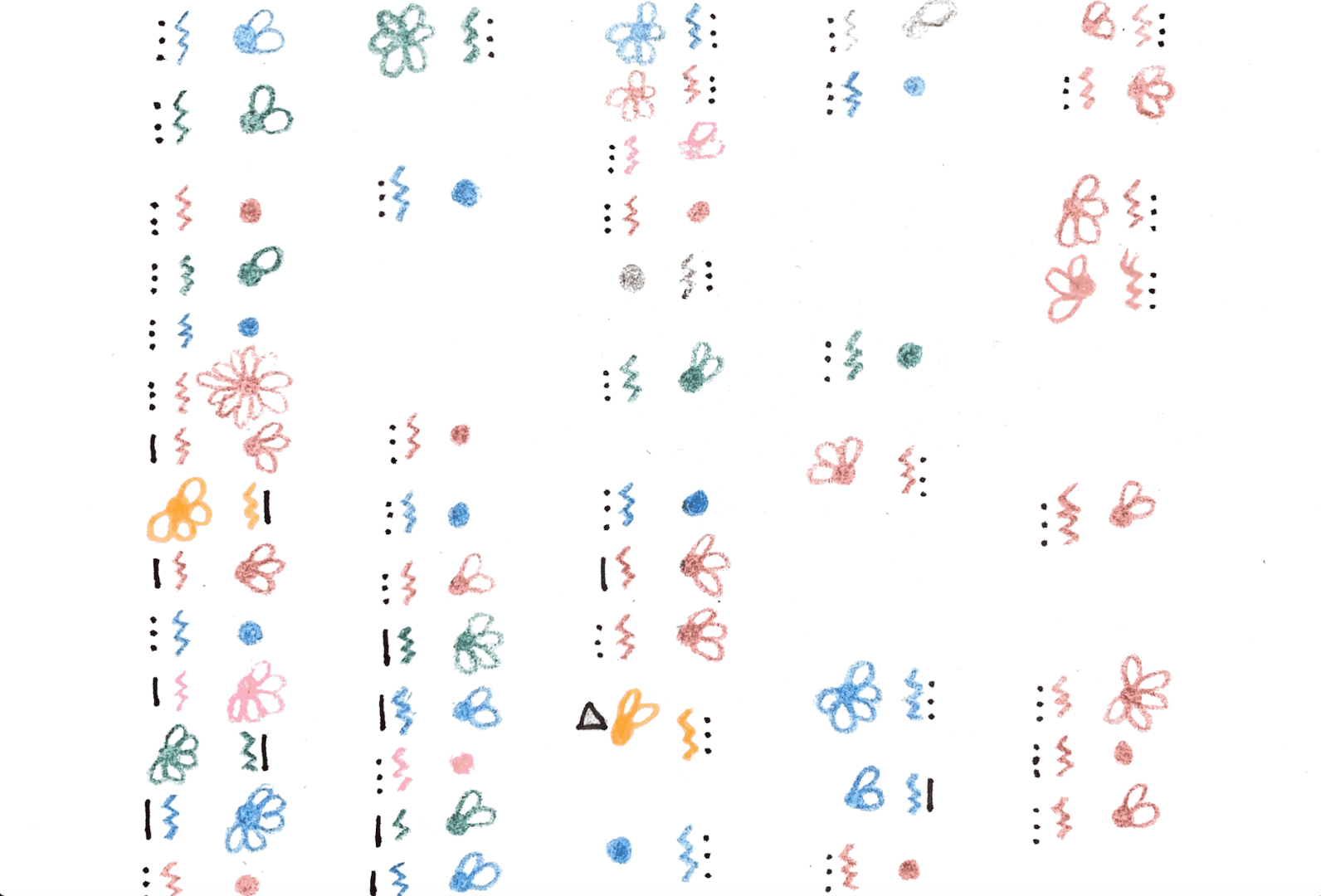
This past week, I collected data from my Instagram usage. I tracked the amount of time I was on the app, whether I engaged with Instagram stories or the feed first, what type of content I engaged with (if any) and how many of my friends’ stories I looked at. I used a flower design with colors and shapes to make up the legend.

(Apologies for the lighter colored pencils that did not show up in the scan as clear as the others!)

History of Data Visualization

From medieval to modern times, there is an extensive intellectual history of data visualization. The Milestones Project was used to collect and organize important developments from a range of areas and fields that influenced the creation and evolution of data visualization (Friendly, 2006). 

The earliest roots of data visualization begin with map-making and visual depictions. The 19th century was most likely the earlies time of statistical thinking and data collection in relation to planning (cities, buildings) and commerce. The historical documentations in fields like probability, statistics, astronomy and cartography align with the developments over time with data visualization. 

Epochs – a period of time in history or a person’s life, typically one marked by notable events or particular characteristics (the Victorian epoch)

Friendly provides a graphic overview of milestones in different epochs throughout history. Starting with the 1500s and moving forward, Friendly examines a graph that shows the milestones of data visualization in history. The earliest moments of visualization came before the 1700s with star maps and geometric diagrams. Egyptians laid out city structures in grid maps and would be reference tools for other civilizations until the 14th century. 

By the 16th century, geographic and position visualizations were well-developed. One of the most important and sophisticated developments during this time was triangulation, which pin-pointed locations. 

Towards the end of the 18th century, more detailed cartography came to fruition. Mapping of geologic, economic and medical data was attempted in visualized forms. William Playfair (1759-1823) is considered to be the inventor of many data visualization forms used today – the line graph, the bar chart and later, the pie chart. In 1833, Andre-Michel Guerry used the Ministry of Justice in France’s centralized system of crime reporting to produce work on the moral statistics of France. His work was said to be the first foundation of modern social science (Friendly, 2006).

We’ve seen throughout history that data visualization was used in so many forms and fields of study. In 1831, the first case of Asiatic cholera was reported, but the water-born cause of the disease would not be discovered until 1855 when Dr. John Snow made his famous dot map. By the mid-1800s, the need and understanding for numerical information and visualization was soaring in Europe, as people began to realize the importance for social planning, industrialization and transportation. The Age of Enthusiasm transformed into the Golden Age, which was known for its beauty and innovation in visualization (Friendly, 2006). 

Francis Galton had major contributions in the history of data visualization. He developed ideas of correlation and regression in graphs. In 1881, he created a “isochronic chart” that showed how much time it would take to travel anywhere in the world from London. His most notable graphical discovery was the anti-cyclonic pattern of winds in low-pressure regions (Friendly, 2006).

After the “golden age” of the 1800s, the “modern dark ages” of visualization came in the 1900s. The rise of data visualization fell off throughout the 1900s and there were few graphical revolutions until the 1950s. 

In the last quarter of the 20th century, data visualization transformed into a vibrant, extensive research area. Software tools for a wide range of uses were implemented for desktop computers. Friendly explains that it is now more difficult to track and highlight the recent updates to data visualization’s history because it is now so vast and expansive and happening at a quicker pace. 

Friendly’s Milestones: Places of development chart was interesting to examine. He explained how Europe was the leader in data visualization in the early history, but it is interesting to see the immense spike that happened in North America, which left Europe behind. Even in the 2000s, Europe is behind North America in relative density. 

Final Thoughts from Friendly

From Friendly’s broad view of the history of data visualization, he summarizes with the idea that the modernizations of data visualization came from practical goals and the need to understand relationships and correlations in new ways. The transformations of statistical research and resources helped move the history of data visualization to where it is today. 

Pros and Cons of technological advances in data visualization 

Throughout history, we have seen the transformation of data visualization happen over time. With technological advancements, data visualization has become increasingly sophisticated. For example, with the current COVID-19 pandemic happening, new information is available almost every day from around the world. We can chart the trends of the virus, number of deaths, number of cases and share it with the public. Information is available to be processes and charted quickly, so information is spreading as fast as the virus itself. Back in the early periods of documenting data visualization, this was not possible. 

In addition, with the advancements in data visualizations, people are able to predict correlations based on history. Using trends in data visuals can be super helpful in medical case studies and in real life situations. 

Cons of data visualization do exist as well. Sometimes, viewers can have too much information. A lot of colors, numbers, statistics and geometric figures can be confusing for viewers. This is called visual noise (Gorodov & Gubarev, 2013).

What Makes an Effective Chart?

In my opinion, a good chart is easy to read, follow and understand. It doesn’t take long for the viewer to understand the flow of information in a good chart, and the viewer is able to understand specific themes and trends after seeing the chart. 

When I look at a chart, I strongly respond to data visuals that are appealing to the eye and easy-to-follow. If there is a lot going on, and if the chart is labeled poorly, I won’t look at the chart for a long time. This is especially true if I am looking at a chart with information I don’t know a lot about. If I do know more about the subject, I can usually interpret the chart without too much difficulty. But, if the information is new to me, then a detailed key and easy-to-follow flow is better for me as a viewer. 

Here are a few examples of “good” charts and data visuals, in my opinion. 

Sarah Bartlett’s “Say What? A Brief History of Profanity in Hip Hop” was a very interesting set of data visuals. 

The chart labeled “Which City Swears the Most?” was really easy to understand and engaging at the same time. The circles on the cities represented the average number of swear words per city in hip hop music. The bigger the circle, the higher number of swear words. Bartlett’s entire data report on the history of profanity in hip hop was really cool. I thought her color scheme was clean and her visuals were all unique and engaging. 

Credit: Sarah Bartlett (2019)

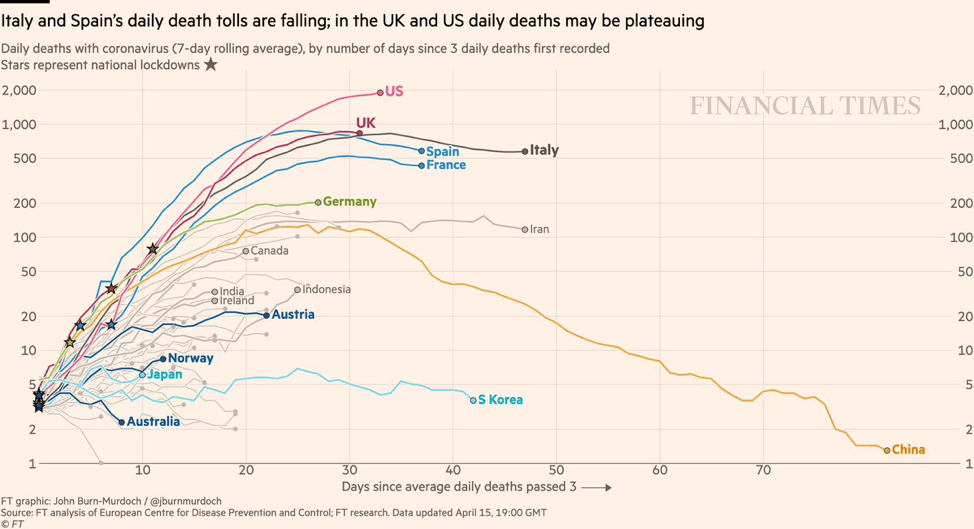
I also enjoy viewing the classic line graph with the x and y axis. This chart from Financial Times shows the death tolls from COVID-19 in numerous countries around the world and how they have risen or fallen since the time when three daily deaths were recorded. This chart is easy to read with the x axis showing the number of days passed and the y axis represents daily deaths. The colored lines lead the eye across the graph and show the increase or decreases of deaths in each country. 

Financial Times

This third chart is also from the Financial Times. I found their COVID-19 home base to be very interesting, educational and easy to read. The chart shows the surges of global daily deaths from COVID-19 and which countries have held the highest number of average daily deaths. At the beginning of the pandemic, Europe and the United Kingdom were in the epicenter and accounted for a majority of daily deaths, which is shown by the large blue wave on the left side of the chart. The timeline extends to July 9, and now, Latin America has taken over and accounts for 49 percent of the average global deaths, with Brazil leading the way. The U.S.’s share of average daily deaths has fallen to 12 percent. 

Financial Times

Another interesting aspect to this chart is the major difference between the sizes at the beginning and end of the chart. The ends represent the average daily deaths across the world. The left side, which represents the beginning of the pandemic, shows the small number of 393 daily deaths. The right side grew immensely and now the average daily death number is 4,731 with Brazil at the forefront. 

These charts are all different in their own ways, but they all accomplish the same goal – giving the viewer information in an easy-to-follow way. There is an ample amount of information that is being received by the viewer, which is also a good quality for a chart.

References

Bartlett, S. (2019). Say What? A brief history of profanity in hip pop. Retrieved from https://public.tableau.com/profile/sarah.bartlett#!/vizhome/SayWhatABriefHistoryofProfanityinHipHop/SayWhat

Gorodov, E. & Gubarev, V. (26 Nov., 2013) Analytical Review of Data Visualization Methods in Application to Big Data. Retrieved from https://www.hindawi.com/journals/jece/2013/969458/

Friendly, M. (21, March 2006). A Brief History of Data Visualization.

FT Team. (10, July 2020). Corona virus tracked: the latest figures as countries start to reopen. Retrieved from https://www.ft.com/content/a26fbf7e-48f8-11ea-aeb3-955839e06441

The Final Buzzer

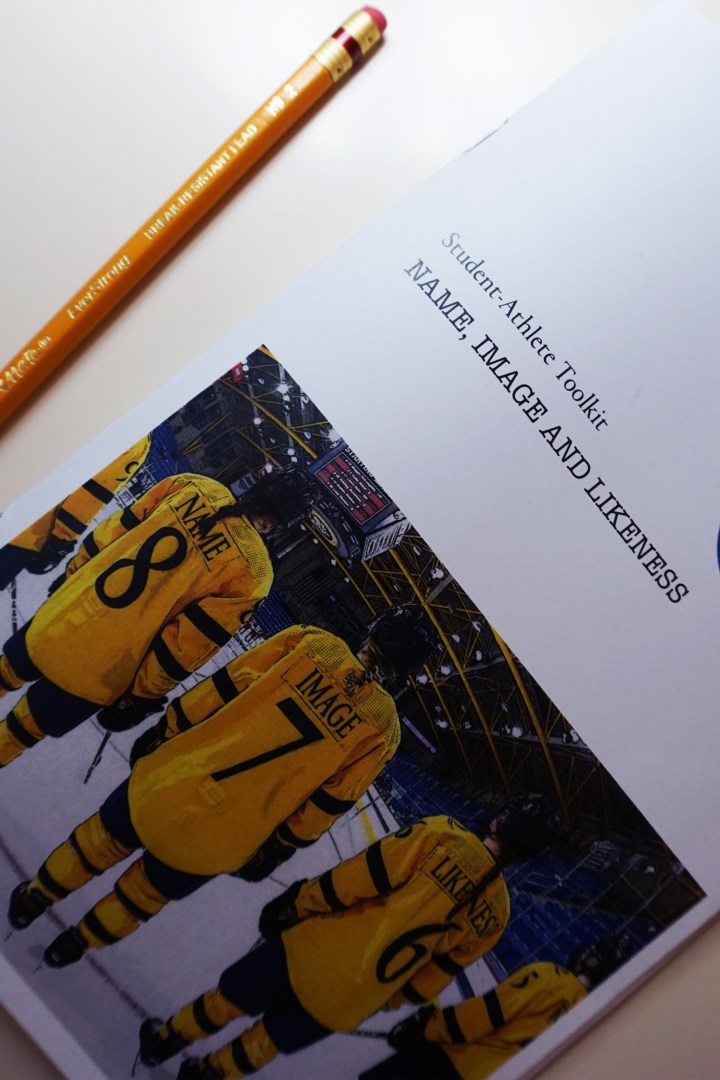
Seven weeks came and went. One project with a goal of helping collegiate student-athletes was completed. Ideas and information were developed and polished and a booklet was created. 

I learned a lot through this process. The idea of the booklet at the beginning was so different from the final product I made in the end, which taught me a great lesson. Most of the time, the idea we have in our head when it comes to a project, a plan, a goal or even a job ends up being completely different than we what we expected. That’s part of the process and how we grow as individuals and professionals. 

The first draft will not look anything like the final draft, and sometimes the smallest turn of inspiration helps lead you to where you need to go and takes you down a path you hadn’t thought of before. 

I learned about a few cool tools that helped me create my booklet and take it to a different level. Unsplash is a free website where artists and photographers share their photos with the world. There are millions of photos on this site that are high quality and free! The Noun Project is also another great tool that provides free icons to users to use with just minimum attribution. 

Within this process, I also learned more about the printing process for books/magazines/booklets. InDesign has a feature that is really cool for printing booklets. You are able to take your InDesign pages that you have designed (probably ordered numerically) and then InDesign reformats a booklet PDF file with your pages imposed This means that your new PDF file will have the pages ready for print – page one is with the very last page, page 2 is paired with the second-to-last-page, etc. 

This was a complicated process for me to figure out. I didn’t think about the process printing until the end of the project. In the end, I ended up printing my booklet on 8.5 x 11 sized paper but with two pages of the booklet printed on one single piece of paper. So, when the pages print, the first page needs to print with the last page because the paper is folded to create the booklet. It was a little difficult to figure out (Shoutout to YouTube) but in the end, I was happy with the final product. 

Over the last couple of weeks, I have also reflected on my job, college sports and how they are going to change over the next few months and years. With help from some of my athletes at Quinnipiac, I discovered what they view the name, image and likeness ruling as and how they intend to use it. For the most part, the athletes that I talked to would not want the distraction of having a separate side hustle while playing a Division I sport. Individually, the players don’t have a desire to make money and would rather focus on their sport and school. And honestly, with those two things alone, collegiate athletes really don’t have extra time in general. 

With that said, I’ve researched about the name, image and likeness ruling for the past seven weeks and know a lot about it now. But, I’ve concluded that with the introduction of the rulings next fall, I don’t foresee a lot of athletes getting involved in outside sponsorships right away. I truly think that these rules will only affect a small number of athletes in the NCAA – the Zion Williamsons of collegiate athletics. The athletes that have the potential to make hundreds of thousands of dollars. 

Now, this doesn’t mean that athletes who don’t have as big of a marketability won’t try to make money; they definitely will. But, I think for the amount of debate that this issue has brought to the NCAA, conferences and media, the end result won’t have a dramatic effect right away. 

Five years from now, however, the landscape of college sports could look very different. With any type of new ruling or legislation, it will take time to see how it will truly fit into the world.  

In my opinion, the heated and drawn-out debates about whether to implement this ruling or not was much more dramatic and visible than the actual application will be. I think this is due to the confusing nature that the NCAA guardrails will hold and how student-athletes are able to interpret them. 

In addition, every student-athlete will have a different situation. Permissibility will be determined on a case-by-case basis. 

So, if the Student-Athlete Toolkit on Name, Image and Likeness helps student-athletes understand what opportunities they have and the best ways to go about taking advantage of those opportunities, then that will be a success in my book. 

The Fourth Quarter

Growing up, I was always taught that too much white space is a bad thing. You had to fill the entire page in school to show that you were writing enough and had enough information. In design or blank space, white space is your best friend, and I forgot that.  

The past couple of weeks have been difficult. I lost a lot of my creative energy and found it hard to complete the assignments for my graduate school class. But, after some Google searching and a meeting with my professor, I felt refreshed. I was ready to redesign my Toolkit for NCAA student-athletes about their name, image and likeness and have all of the white space that I needed.

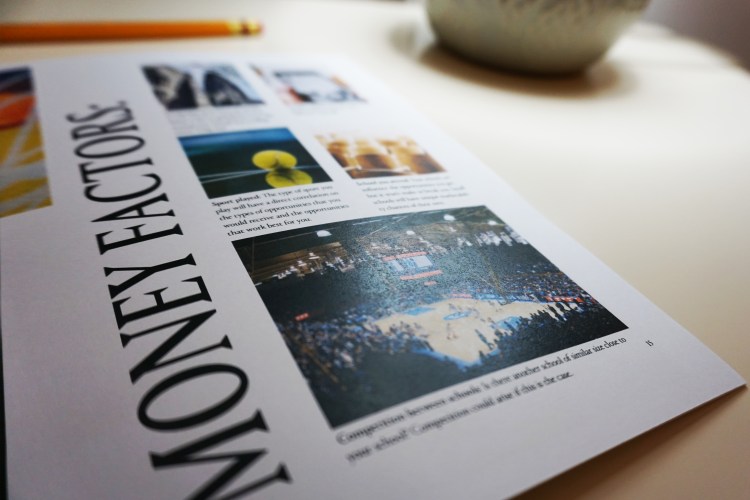
Pages 4-5 in Student-Athlete Toolkit on Name, Image & Likeness

I discovered a photo sharing website called Unsplash, which is a photo gallery community where photographers share their high-resolution pictures and anyone can download them and use them for free. This website is home to over one million beautiful photos and really helped me with my redesign. 

My professor also helped recalled information that I learned in my undergraduate time in my newspaper, yearbook and publishing classes. The grid structure of Adobe InDesign helps create a uniform look and feel for the document. I went with a three-column structure for my copy and photos throughout the toolkit. This also helped my mind become less cluttered and unorganized by giving myself something more to work with.

Adobe InDesign
Grid Structure from Thinking With Type

The purpose of this toolkit is to help student-athletes understand the potential gain and the dissect the vague restrictions behind the NCAA’s name, image and likeness ruling. Now more than ever before, social media will be a student-athlete’s best tool to use once the collegiate athletics world merges with the $5-10 billion influencer business. (Planos, 2020).

Social and digital media played a significant role in these proposed changes, according to the NCAA Board of Governors’ meeting report from April 17.

“The rise of social media and other digital distribution and monetization platforms has dramatically increased the opportunities for college students to make commercial use of their NIL.”

NCAA Board of Governors meeting | April 17, 2020

And it looks like the NCAA is truly trying to make this all happen, but with their own guardrails. The NCAA has stated in their initial decision to move forward with compensation rules that endorsements student-athletes can receive will be independent of athletic activity and not an endorsement payment for athletic activity. The NCAA says there will be regulations on third-parties or agents, but they do not provide any further details (Sallee & Silverstein, 2020).

Conferences are trying to push for this to happen, too. The Power Five conferences spent $350,000 on lobbyists to attempt to influence Congress on legislation allowing collegiate student-athletes to earn endorsement money, which was more than they have previously spent in any full year. The Southeastern Conference spent the most out of any conference – $140,000 (Nuckols, 2020). 

“We look forward to a constructive exchange of ideas about ways we can further enhance our student-athletes’ educational and athletic experiences while ensuring that any future changes can be administered fairly on a national level.”

Greg Sankey, SEC Commissioner

According to Nuckols, the SEC has never employed Washington lobbyists and left the work for influencing Congress to the universities and the NCAA until now.

And as we could have predicted, student-athletes are involved in the legislation process, as well. Current and former collegiate student-athletes across the country are a part of the working group with the NCAA that will help provide information and experiences related to earning money for their name, image and likeness during the time when that was impermissible. 

“We’re the solutions group,” Jaila Tolber, former student-athlete at Virginia Tech said about joining the working group. “So, coming up with some kind of framework is going to be a huge part of our plan. My goals are to make those recommendations that align with the NCAA principles and allow student-athletes to benefit from their name, image and likeness. Having that same access that regular students have. 

Looks like there are a lot of people in this process who have student-athletes’ best intentions at heart. Let’s keep the momentum going forward.

Burn It to the Ground

Now, before you think into that headline too much, just keep reading.

I’ve been trying to write this for a while now. I have had so many ideas and ways I wanted to write about this, but I knew I needed to centralize my thoughts and not just go on a rant. There is a revolution happening and now is not the time to be silent. 

In April 2016, Beyoncé released one of the most influential albums of the decade, if not ever. And to be quite honest, I am not sure how many of my white friends could name even one song from it…

Lemonade is a beautifully soul-crushing album that tells the stories of Beyoncé’s upbringing and relationship with her father, her marriage, her fears of forgiveness and finishes with two immensely powerful songs about race, social injustice and police brutality in America. 

Freedom” is a rallying cry about the hundreds of years of oppression that the Black community, specifically Black women, has endured.

Freedom
Freedom
I can’t move
Freedom, cut me loose
Freedom
Freedom 
Where are you?
‘Cause I need freedom, too
I break chains all by myself
Won’t let my freedom rot in hell
Hey! I’ma keep running
‘Cause a winner don’t quit on themselves

I’ma wade, I’ma wave through the waters
Tell the tide, “Don’t move”
I’ma riot, I’ma riot through your borders
Call me bulletproof

Lord forgive me, I’ve been runnin’
Runnin’ blind in truth
I’ma wade, I’ma wave through your shallow love
Tell the deep I’m new

I’m telling these tears, go and fall away, fall away
May the last one burn into flames

I mean if that doesn’t give you chills just reading it… go listen to it. And I didn’t even get to Kendrick Lamar’s verse. 

I wanted to write about this song because of the timeless power that the words hold, and because I don’t think many white people have heard it. Beyoncé released this in 2016. Four year later, and the words are still so relevant. She pleas for freedom, asking where it is. Where has it been… 

She warns that she will wade through the waters… the waters of our world, our society. In the ocean, the tides control the waters’ direction, flow and movement. The tide’s control could be interpreted as a symbol for the government and specifically, the system of law enforcement and police in our society. The government controls where we emblematically move as groups and individuals. The police imposes that movement, directing the climate of ease, or in the Black communities, a climate without ease. No feeling of safety or alliance with the police, only fear. 

Beyoncé calls for a riot as the tides eventually change and bring a storm. Later, she sings that her tears will “fall away, fall away, and may the last one burn into flames.” 

Flames. Smoke. Shallow Love. Burning down.

Why are people surprised of the destruction, rioting and looting that has come after the murder of George Floyd? 

I knew white boys in school that would punch a hole in the wall because they lost a beer pong game. And you’re mad that people, who have lived in a cold fear of being murdered while getting pulled over for a traffic violation, going on a jog or walking down the street because of the color of their skin, f****d up a Target?! 

White people who have not been able to understand this have to open their eyes, or at least listen to Kimberly Latrice Jones preach about the unjust, unfair and broken system Black people have lived in since they were forced to come 400 years ago. The poverty gap between poor Black people and the rest of the world is so vast and expansive that looters have become very present at these riots because they have nothing else. It makes sense. The system is broken and the Black communities living in poverty are set up to fail because the system has not evolved. 

Wanting to burn down the entire system and everything it represents is reasonable in relation to the centuries of oppression, hatred and violent racism that Black people have endured. We should count ourselves lucky that “black people are looking for equality and not revenge.”

So why not (symbolically) burn the system to the ground?

Through this revolution, we have witnessed that there is no correct way to protest. You’re not going to make every party happy, even if it’s peaceful. Up until George Floyd’s death, no one was listening.

This brings me to Colin Kaepernick. *sigh* Let me collect myself. 

Drew Brees has proven that we have so much work to do. That man was absolutely shredded on television and social media, and we aren’t even 100% sure if understood what he was saying even after the third apology. I really hope finally understood and that his PR team didn’t just walk him through all of those responses. But, who knows. 

All I know is that Kaepernick was right. All along. I watched people virtually scream in agreement when Trump called him a son of b**** and to get off the football field – all for a peaceful protest about an issue none of Trump’s followers or the others cared to know about or had the human decency to empathize with. 

The people (Trump, the NFL) who didn’t understand saw a wealthy Black athlete disrupting the season-ticket holders’ Sunday afternoons with politics” …

So, they banned him – dropped him so fast that Laura Ingraham didn’t even have time to tell him to shut up and throw the football.  

When I saw Kaepernick kneel, the first image I thought of was when Tommie Smith and John Carlos each raised a fist in the air during their medal ceremonies at the Olympic Games in Mexico City. People were outraged at the time – the International Olympic Committee banned and suspended Smith and Carlos for their protest. 

That was in 1968. Fifty-two years ago.  

Kaepernick’s kneel, which he explained multiple times, gave the silenced police brutality issues in America a voice, but only to people who wanted to hear and wanted to listen. White people who didn’t agree with Kaepernick’s protest were blindfolded by the same flag that has kept them free and without fear of harm due to the color of their skin for their entire lives.

To people who thought their white grandfathers were the only ones who fought in wars of America’s past, Kaepernick’s kneel disrespected the flag, which they claim symbolizes freedom for all – the American Dream. But how can a flag that is supposed to represent the freedom for all of a country’s people have an equivalent meaning to someone who has never had the same freedoms as their white counterparts?

Freedom, freedom where are you?

Cause I need freedom too…

Can you not hear their cries? It was never about the flag. It’s about the systemic racism that has grown and weaved its way through years of history, despite white people thinking everyone is treated “equally” and that slavery was “abolished”. There has never been equality for all. The American Dream has yet to come true…

I recently looked into the reversal of the Great Migration. From 1910 to 1970, about 6 million Black Americans departed from the South for other parts of the country. This massive distribution of people was named the Great Migration. They left the South to look for jobs in the Midwest, West and Northeast, and to escape the lingering caste system of the racism in the South, which included the beginnings of the Jim Crow laws and sparse economic opportunities.

The U.S. Census Bureau claims that the reversal of the Great Migration began as soon as the first wave ended. From 1975 to 1980, the South gained more than 100,000 Black Americans after losing 250,000 from 1965 to 1970. This reversal was ignited as people began to look for post-recession economic opportunity, especially in the early 2000s. 

But, what got me was that Black people in the Northeast moved back to the South in the 1970s and 80s because there was also a push from the North, both in terms of the economy and in terms of racial relations,” William Frey, author of Diversity Explosion: How New Radical Demographics Are Remaking America.

We keep pushing Black people out. Back and forth they went looking for homes, places of refuge and safety. Refuge in their home country. We’ve covered our eyes and ears to their cries for help. 

We’ve turned our backs to the systematically-structured Black communities in poverty just minutes away from our suburbs. 

We’ve silenced those who have peacefully spoken out in protest. 

We have to stop. Enough is enough.

I think the Earth and God realized this. The COVID-19 pandemic was the beginning phase of a universal TIMEOUT. Not a 30 second, not a 1 minute…an extended time of self-reflection and essential national change.

The Earth locked us in our homes, stole the key and said “Y’all I need a minute.” 

And God said, “Figure. It. Out.”

We cannot take this time for granted. We have to keep working. Everything on social media that explains the Revolution, emphasizes someone’s story, lists ways to help, gives links to donate and directs people to sign petitions is all awesome. But, the hard work will be done backstage when no one is watching. It won’t be something you can post in your Instagram story or take a picture of, but the hard work will be moving the Black Lives Matter movement in the direction it needs to go. 

George Floyd, Ahmaud Arbery, Treyvon Martin, Michael Brown, Tamir Rice, Sandra Bland, Philando Castile, Walter Scott, Beonna Taylor and so many others’ stories are so much more than a hashtag. Say their names. Explain their stories. Know the facts. Scream for justice. Breonna Taylor’s killers have not been arrested. We have to keep going.

Wave goodbye to the normal you knew before March 12th, because it is never coming back. The Black Lives Matter movement sparked the overdue Revolution, and if you aren’t with us, get out of the way.

I wrote about this because Black Lives Matter, and being silent or neutral is siding with the oppression. I know my white privilege and know the work I have to do as an individual. I posted this because if these words can move someone enough to Google something they didn’t know about or change a heart, then that will be a new step on the right path – an additional anti-racist fist raised in the air. 

The last tweet I looked at that Donald Trump tweeted had 56,000 favorites and 16,000 retweets in 36 minutes. We have work to do people. 

“If you surrender to the air, you can ride it.” -Toni Morrison

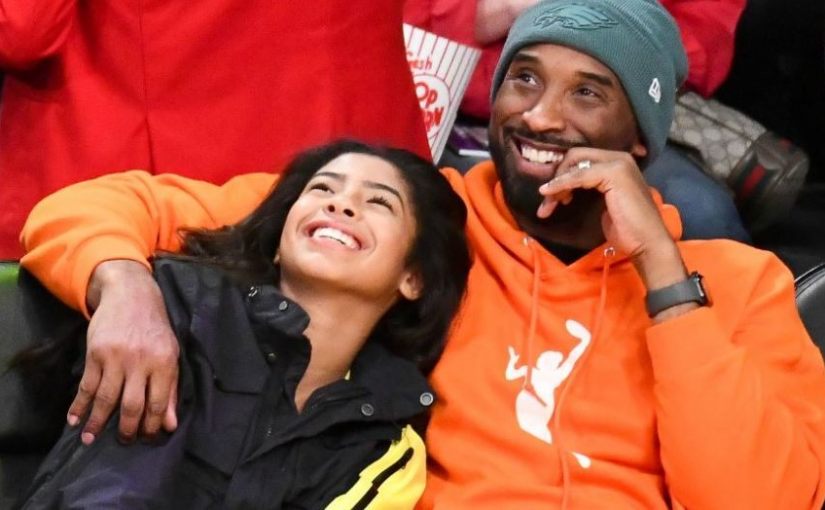
20 Years a Laker, Forever Kobe

There are two nails in every basketball court. Two nails hammered perfectly in the center of the free throw lines on every shiny, wood basketball court. Every. Single. One. 

There’s such a simple and consistently beautiful thing about that. On every court I’ve ever walked, dribbled, sprinted, maybe puked on, there’s two tiny nails that make an imaginary line down the center of the court.   

Watch any player shoot a free throw. They probably will look down, set up their feet, look at the nail, breath and conduct their shooting routine. 

I forgot how old I was, but my dad came to me and said that I needed to pick my routine. I needed to have something that I did every time at the line. I needed to have something that would help me to calm down, concentrate and make the free throw – because they’re free. 

My dad says that all the time. 

“You gotta make your free throws. They’re literally giving them to you!”

Four dribbles with my right hand, one spin. That’s what I did every time I went to the line. It’s something a basketball player remembers no matter what. It’s just becomes part of you. 

My dad coached my siblings and I from the minute we were strong enough to heave a Spalding up to an eight-foot goal. He runs our city’s recreation department so we basically lived in gyms. We would always go and still do go to the gym by our house when it’s closed, so that we could have it to ourselves. 

My three siblings and I had the best 2-on-2 games you could imagine. It would, no matter what, always end in a fight. We are competitive as hell with each other. But, we could also have so much fun that we would cry from laughing in the end.

It’s probably my favorite thing that we all share – a love for the game. We all four did play or are currently playing for Roswell High School. I think is so unique for a group of siblings to do the same thing and all share a similar passion for it. We all ran up and down that same court so many times. Sweat, tears, joy. All experienced doing the same thing, playing the same game. 

Sports, man. What an undeniable power they have on so many. 

I still can’t believe it. 

I’ve seen every headline. Every photo. Every video. Every highlight. Every tweet. 

And it still does not seem real. 

I thought I was reading a headline from the National Enquirer: “Lady Gives Birth to Octopus Twins. Jennifer Aniston Proposes to Brad Pitt.”

This can’t be happening. I check Twitter. Nothing. I Googled “Kobe” and hit the news button. 

Everything just stopped. 

I’ve never felt anything like this. Like a hole was ripped out of my sports-loving soul. Kobe? Kobe Bryant? He can’t die. He’s not supposed to leave us this way. He’s someone we have watched for so long and watched him accomplish everything in the absolute best ways possible. He was supposed to grow old and admire how the game evolved, all in an immortal fashion. He was supposed to watch his daughters grow up. 

Social media brought Gianna ‘Gigi’ Bryant aka Mambacita to the world. The little baller queen was on her way to becoming a star. You could see it. She was built just like him, had the same love for the game and an identical, stone-cold fade-away. It was so cool to watch him take her to every game – NBA, WNBA, the USWNT – all of them. She was right there next to him, soaking up every ounce of knowledge she could.

He literally sat courtside with Gigi and spoke Slovenian to jokingly taunt Luka Doncic. Only Kobe…

When I was playing basketball at Roswell, I was fortunate enough to share the court with Andreona Keys, who is by far the best player I’ve played next to. (She went on to play at Purdue.) My best friend and other teammate Abby Jessen and I would call her Kobe. She emulated similar traits to him…just had an unreal will to win and would carry those around her. Before practice started or when we were just playing around, all three of us would yell, “KOBE” and attempt his fade-away, not unlike every other basketball player growing up would do too.

It’s hard to write down words that describe the immense legacy that Kobe will leave behind and how many people he affected. There really are no words. You can see it everywhere, the spirit and relentless work ethic that he preached and lived for. Players like Luka, Trae Young, Devin Booker embody everything about him because they grew up watching him. 

As a girl who grew up basically doing two things – playing soccer and basketball – watching Kobe play was one thing, but to see him retire and gracefully grow into the father that he became was so fun to watch. He was such an advocate and supporter for women’s sports. One message that made such an impact on not only myself, but all of the women’s soccer community was when he quote-tweeted Sydney Leroux’s photo of her bruised and burned legs after playing on turf before the 2015 World Cup in support of better facilities for the USWNT. Only Kobe…

The world stopped on Sunday. It’s one of the darkest days in sports in my lifetime, and I really am going to miss seeing him just live his life. It was such a blessing to be able to watch him thrive, dominate, win and live for so long. 

Some of my best memories are from watching basketball with my family, especially my dad. We are the night owls of the fam, so we would be the only two that could stay up long enough to watch the NBA games on the west coast. And most of the time that meant we got to watch Kobe and the Lakers. 

This is just indescribable. The way it happened. When it happened. Just mind-numbing. 

We must lift up Kobe’s wife, Vanessa, and their three girls, Natalia, Bianka and Capri. We must lift up the families of the other seven passengers on the helicopter – John Altobelli, his wife Keri and his daughter Alyssa, Payton Chester and her mother Sarah Chester and the pilot, Ara Zobayan. 

I wrote this watching his last game when he scored 60. You know there was magic in the Staples Center that night. And like the nails in the wood panels of every basketball court, Kobe will be with us always – in the very center, holding us down. 

“The most important thing is you must put everybody on notice that you’re here and you’re for real.”

“Sport is the greatest metaphor we have for life. And we must treat it so.”

-KB

Name, Image and Likeness Rule Changes Could Benefit Female Athletes Like Never Before

With a medley of Earth Wind & Fire, Michael Jackson and James Brown’s classics blaring in the background at the Fort Worth Convention Center, Katelyn Ohashi crushed a miraculous floor routine at the 2019 NCAA Women’s Gymnastics Championships, earning a perfect 10.0 score. The UCLA senior completed one of the most difficult passes in gymnastics, and danced her way across millions of timelines into viral stardom. 

She appeared on numerous talk shows, did countless interviews and showed the world who she was not only as a gymnast, but also as a person. 

Ohashi received no compensation for her accomplishments. Due to NCAA rules, athletes are prohibited from earning money for their athletic achievements. Sixty-nine million people watched her flawless floor routine, yet Ohashi was not able to personally benefit from her own success off the mat.  

“The NCAA is a billion-dollar industry built on the backs of college athletes,” Ohashi said in an article written by Jemele Hill for The Atlantic. “How different would things be for me had I been able to use my image and name in my last year of school in order to promote the things I want to further my future? I want to make sure the next person doesn’t have to wonder.”

The issue of student-athletes receiving compensation for their name, image and likeness has headlined the news for some time now, and we recently have seen a positive step forward with the issue. The NCAA Board of Governors released the statement on Oct. 29, 2019 in which the organization plans to allow college athletes to get paid for use of their names, images and likeness (NCAA, 2019). 

Keyword here: plans

Female athletes have been left out of this conversation since its inception, but they could benefit the most from legislation changes, if the NCAA moves in that direction.

This ruling will not go into effect for some time. The NCAA’s decision follows a new decision in California that “bans schools in the state from preventing student-athletes from accepting compensation from advertisers and allows them to hire agents,” (Dwyer, 2019). 

The NCAA is under is insurmountable pressure after the new law in California was announced. From coaches to former athletes to presidents to fans, numerous entities believe student-athletes should be getting compensated for the work and the money they bring back to their schools. 

Zion Williamson. Trevor Lawrence. Jake Fromm.

These athletes are just a few of the names mentioned in this debate. In the age of social media, they have given their respective universities more publicity from their athletic abilities than any commercial or marketing initiative could do alone. 

Cameron Indoor Stadium is a basketball mecca for those who are fans of the game, and when you put one of the most marketable 18-year-old ballers inside of it, money is sure to be made. And that is just what happened during the 2018-19 basketball season at Duke University when Zion Williamson became America’s favorite walking highlight-reel. 

And with a name like Zion, how could he not be?

Of the top five most-viewed college basketball games on ESPN, Duke was the one team playing in all five. Last season, Duke also had the highest-priced resale ticket for a seat in Cameron at an average of $329 (Smith, 2019). Fans at the Duke-UNC game on Feb. 20 dropped an average $3,200 to see Williams take on the Tar Heels (Smith, 2019). But, many people ask why Williamson and his teammates did not get any of that money back. The answer to that question is a complicated one. 

The rise of Williamson’s success led many to question the NCAA’s policy on student-athletes receiving compensation for their name, image and likeness. Williamson was just one of the few male athletes that were mentioned in conversation about the how much money the NCAA makes compared to the athletes doing the actual work. 

Despite the split of opinions towards debate of whether or not athletes should be paid, I am here to spark a different debate about the female athletes who have been left out of this conversation. 

According to the NCAA, there were 216,378 female student-athletes or 44 percent of the student-athlete population competing at the Division I, II or III level during the 2018-19 academic year (Schwarb, 2018). The total number of athletes competing last year was at an all-time high. 

In addition, the Division I gender balance has grown to be almost perfect – 53 percent are male and 47 percent are female. 

If the divide between male and female student-athletes in the NCAA is almost equal, why do female athletes get left out of the conversation about compensation? Is there a strong market for sponsors to partner with some of the best female collegiate athletes? 

I believe there is, and it is a great time to be a female athlete. 

The U.S. Women’s National Soccer Team showed the country why that is true this past summer. The team earned a month-long stint on the front pages of newspapers and timelines across the world after historic goals, wins and poses that forced people to stop and pay attention. 

Now, more than ever before, the gap between women’s and men’s sports is slowly closing. There is, however, still a large gap as the USWNT is showing us during their current fight for equal pay. But, it is a great time to be not only a female athlete, but also a sponsor for female athletes. 

Because there are not as many professional opportunities post-graduation for female athletes, the four years female collegiate athletes have to play their specific sport is an important time. It’s their only stage and only time to be marketable off their athletic abilities. 

This brings us back to Katelyn Ohashi. There is not a professional “league” for gymnasts – it’s the Olympic Team or bust. So, when her viral floor routine created so much publicity for not just herself but also for the sport and her university, Ohashi expressed her anger towards not being able to profit from her own abilities, name and likeness. 

She does not have the same professional opportunities as her fellow Bruins who play basketball or football, so why shouldn’t she be able to profit from her own work? This was the peak of her career and athletic ability, and she probably won’t have another opportunity like the one she had. 

In 2018, the NCAA reported that of the 3,692 female collegiate basketball players that were eligible to be drafted, 32 made it to the WNBA, which is less than one percent. (Roberts, 2019). 

My mouth dropped when I read that. 

If student-athletes received the opportunity to be paid for their name, image and likeness while in college, female athletes have the chance to benefit more than they ever have in sports. 

This idea of compensation also does not have to be some monumental contract with Nike or Adidas. It can live on a much smaller level, but still have a positive impact on student-athletes. From a local car dealership to a small cafe in town, small businesses could also benefit from student-athletes getting paid. 

The ruling and details of the NCAA’s changes in the current compensation policy will not resolved overnight. This is something that the younger athletes in middle school and high school right now will be affected by later. 

There is a bright future for female collegiate athletes, and there is an opportunity here to give young girls a new dream that they may have not thought possible before. 

References

Dwyer, C. (2019, Oct. 29). NCAA plans to allow college athletes to get paid for use of their names, images. NPR. Retrieved from https://www.npr.org/2019/10/29/774439078/ncaa-starts-process-to-allow-compensation-for-college-athletes

Hill, J. (2019, Oct. 30). The NCAA had to cut athletes a better deal. The Atlantic. Retrieved from https://www.theatlantic.com/ideas/archive/2019/10/ncaa-had-cut-student-athletes-better-deal/601036/

NCAA. (2019, Oct. 29). Board of governors starts process to enhance name, image and likeness opportunities. Retrieved from http://www.ncaa.org/about/resources/media-center/news/board-governors-starts-process-enhance-name-image-and-likeness-opportunities

Roberts, D.K. (2019, Oct. 29). Paying college athletes is a huge win for women. CNN Business. Retrieved from https://www.cnn.com/2019/10/08/perspectives/female-athletes-fair-pay-to-play/index.html

Schward, A.W. (2018, Oct. 10). Number of NCAA college athletes reaches an all-time high. NCAA. Retrieved from http://www.ncaa.org/about/resources/media-center/news/number-ncaa-college-athletes-reaches-all-time-high

Smith, M. (2019, March 11). The business of Zion. Sports Business Daily. Retrieved from https://www.sportsbusinessdaily.com/Journal/Issues/2019/03/11/In-Depth/The-Zion-Effect.aspx

My Bio

I am the Assistant Director of Athletic Communication at Quinnipiac University in Hamden, Conn. From writing press releases to managing social media accounts, I wear numerous hats in this role at Quinnipiac with various responsibilities for 21 varsity sports. Women’s soccer, women’s ice hockey, softball, track and cross country are my main sports of focus, but collectively, the athletic communications staff works together to make sure all of the athletic programs are shown to the university, community and the world in a positive light. 

My passion for telling stories and creating digital content was a perfect fit, as I developed connections with coaches, student-athletes and administrators quickly and learned to love the grind of working in college athletics. In my current and previous roles, I enhanced the skills I learned in college like video editing, photography, writing and graphic design, and I adapted to working under pressure and on a deadline. I started my career in 2017 at the College of the Holy Cross in Worcester, Mass., as a Media Relations Assistant, and moved on to the role I have now at Quinnipiac. 

My educational background includes a Bachelor’s degree in journalism from Shorter University in Rome, Ga. Along with managing a full course load, I was a collegiate soccer player for four years. My experiences as an athlete lead me to the career I have now in collegiate athletics. I am currently pursuing a Master’s degree in Interactive Media and Communication through Quinnipiac.  

Readable Content

Every year, we see a rise in mobile phone website traffic compared to traditional means like web browsing. The number of people who own smartphones has gone up, so, naturally, the number of people that find information on their smartphones has also gone up. In 2018, 52.2 percent of all website traffic worldwide was consumed on a smartphone (Clement, 2019). 

The producers of online content must think about their website’s appearance and readability in relation to the viewers’ eyes. These eyes are usually looking that the content on a smartphone, not a web browser.

If more and more people are accessing information with their mobile devices, the content must fit inside the mobile device’s dimensions. In addition, the content must be engaging, informative and appealing to the eye; otherwise, viewers are going to close the tab and search for something else. 

There are many tips and tricks content creators can use to make their websites, blogs, stories or other outlets easy to read and understand. Matt Cronin of Smashing Magazine**LINK created a list to highlight important parts of readability and how to effectively execute the different aspects of typography.

Web Typography Terms

Hierarchy – defining how a reader navigates the content (headings throughout the body)

Contrast – good contrast of text makes it easier on the reader’s eyes 

Line Height – space between individual lines of text (makes text more scannable)

Line Length – number of words per line 

A lot goes into reading, and various layouts, colors, words and other factors can influence a reader’s experience.

“’The contrast of pixels, the layout of the words, the concept of scrolling versus turning a page, the physicality of a book versus the ephemerality of a screen, the ability to hyperlink and move from source to source within seconds online—all these variables translate into a different reading experience,”’ (Konnikova, 2014). 

In my opinion, clutter is at the top of the list when it comes to poor readability. In On Writing Well, William Zinsser claims clutter to be the “disease of American writing” (Zinsser, 2006). If I am reading a wordy story or blog, I lose track of the content and only focus on the extra words that should not be there. 

Readable vs Unreadable

A hot topic in college athletics right now is about student-athletes getting paid for their likeness and athletic ability. There is a distinct divide across the country on whether or not student-athletes should be getting paid for the money they bring to their respective universities.

I am not here to argue that issue, but rather examine two different articles about the topic. The first is an article posted in 2017 by CollegeXpress, which seems to be a platform for high school students to research information about colleges. The second is an article from Forbes written in 2014.  

The CollegeXPress article had a lot going on, visually. There were various colors, fonts, ads and a video at the beginning of the article. I would argue that the font was too small for a reader on a computer. The mobile version was even worse – large paragraphs and small fonts made it difficult to read. 

The Forbes article also had ads, but I was more comfortable and engaged reading the article because it was left justified and in a smaller column. Having the line length shortened to half of a computer screen makes it easier to read and scan because the reader can fly through the lines without losing place. 

Marc Edelman’s article on Forbes was also formatted as a list. He listed 21 reasons for why student-athletes are technically employees and should be allowed to unionize. Having detailed explanations listed out instead of hefty paragraphs definitely improved the readability. 

The mobile version was also formatted better than CollegeXPress’s with a larger font and a larger line height. 

As we can see, typography and readability are important as a content creator and distributor. In this case, both of the articles above were relaying similar messages, but the execution for each was very different. The formatting of each article directly impacted how interested I was in reading and digesting the information. As a tip, content creators should always keep in mind that hierarchy, contrast and line height/length are important formatting tools that can help improve the execution of the article. 

References

Edelman, M. (2014, Jan. 30). 21 Reasons why student-athletes are employees and should be allowed to unionize. Retrieved fromhttps://www.forbes.com/sites/marcedelman/2014/01/30/21-reasons-why-student-athletes-are-employees-and-should-be-allowed-to-unionize/#30f8673b8d05

Clement, J. (2019, July 22). Percentage of all global web pages served to mobile phones from 2009 to 2018. Retrieved from https://www.statista.com/statistics/241462/global-mobile-phone-website-traffic-share/

Cronin, M. (2009, March 18). 10 Principles of readability and web typography. Retrieved fromhttps://www.smashingmagazine.com/2009/03/10-principles-for-readable-web-typography/

Martinez, M. (2017, March). Should college student-athletes be paid? Both sides of the debate. Retrieved from https://www.collegexpress.com/articles-and-advice/athletics/blog/should-college-student-athletes-be-paid-both-sides-debate/

Zinsser, W. (2006). On writing well: The classic guide to writing nonfiction. HarperCollins Publishers. New York, N.Y.