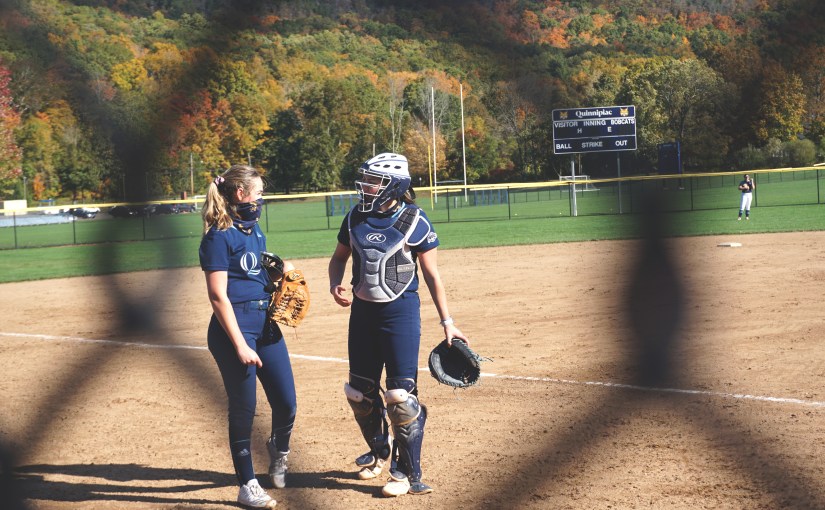
Since the inception of the NCAA, student-athletes across the country have played the sports they love at an amateur level. An amateur engages in a pursuit or hobby, most often a sporting competition, on an unpaid level.
NCAA and individual compliance offices have monitored the benefits that student-athletes have received for decades. As the influential platforms of social media grew, the compliance jobs proved to be more difficult as student-athletes have a public forum for their name, image and likeness. The restrictions that student-athletes currently have include influencing a brand or company that is separate from the student-athlete’s institution.
Basically, student-athletes cannot act as influencers. But, the main problem here lies with the large amount of money that the NCAA and institutions make off of student-athletes’ success.
Zion Williamson played one season of basketball at Duke University during the 2018-19 academic year. He is regarded as one of the most electric, young basketball players to watch since LeBron James in the early 2000s. The “Business of Zion” as Michael Smith put it in the Sports Business Journal, was created from Williamson’s influence on social media, TV viewership, ticket sales and the sneaker industry.

In ESPN’s most-watched game of the year, Duke vs North Carolina, Williamson infamously got hurt after running a hard cut that tore his Nike sneaker. That incident proved to be “ground zero for debates on the NBA’s one-and-done rule and amateurism in college” (Smith, 2019). The average price for this consistently-anticipated rivalry game went for $3,200. And when the Blue Devils hit the road, ticket prices jump 194 percent (Smith, 2019). Everyone wanted to see Williamson.
The superstar has over 2.6 million followers on Instagram and Twitter combined. Influencers, or people with more than 1 million followers, can make up to $20,000 per post according to the Sports Business Journal. But, at the time when Williamson was a Blue Devil, he would not have been allowed to act as an influencer.
Many debates have sparked after Williamson’s injury about amateurism in college athletics and student-athletes’ limited opportunities to play professionally, especially with female athletes. On April 28, 2020, the NCAA Board of Governors took a step forward in the ruling and outlining of specific categories in which student-athletes can have the opportunity to earn compensation for their name-image and likeness (NCAA, 2020).
The new rulings state that “student-athletes are able and have the opportunity to receive compensation from third party entities/endorsements related to athletics that are separate from the university, school and conference” (NCAA, 2020).
The second ruling states “compensation for other student-athlete opportunities, such as social media, new businesses and personal appearances, without institutional involvement or the use of trademarks/logos” (NCAA, 2020).
This is a massive change to rulings that were very strict beforehand. As an Assistant Director of Athletic Communication at Quinnipiac University, I work with student-athletes and social media very closely. Before this new legislation passed by the NCAA, student-athletes could not even tag brands in their personal social media posts. I work to make sure student-athletes are in line with the current NCAA amateur rules to maintain their eligibility.
By the 2021-22 academic year, the final legislation will be ready to go and student-athletes will be allowed to compensate off their name, image and likeness. But do they understand what this means? Do they know their rights and abilities?
I plan to create a booklet/toolkit that will aid student-athletes in this interesting transition. This toolkit will help student-athletes learn what exactly the new ruling is about and how they would be able to use it, if they so choose.
There are plenty of restrictions that will come with this ruling and the student-athletes should have all the information in ways that are easy to understand.
There is also a reality to understand once this legislation is passed. Some athletes won’t really be able to benefit. Everyone won’t get to be an influencer. There is only a small group of athletes that will earn a large amount of money. According to a projection created by FiveThirtyEight, there are seven student-athletes (a few just coming out of high school) that are projected to earn more than $1,000 on a post.
This is due to the number of followers they have, the sport they play and the institution they are at or are planning to attend. Paige Bueckers is a rising freshman set to play basketball at UConn. She has the potential to make a total of $670,783 off her social media posts alone. With over 500,000 followers and a post value of $20,000, she could benefit immensely from the name, image and likeness ruling. On a different side, Mikayla Colohan is a soccer player at BYU with a little over 2,000 followers on Instagram and has the potential to earn $267…not the same earnings, but still earnings at the least.
As you can see, there are various earning levels that athletes can have. I am not sure how this ruling will play out. And next year, as an employee of an athletic department, I won’t have the opportunity to help student-athletes will this ruling, except for explaining violations. The new legislation won’t allow any involvement from the student-athletes’ institution in the instrumentation of compensation from outside parties.
I hope this booklet with be something to help student-athletes understand more about the ruling and opportunities they will soon have with their name, image and likeness.





 MAGGIE PRUITT