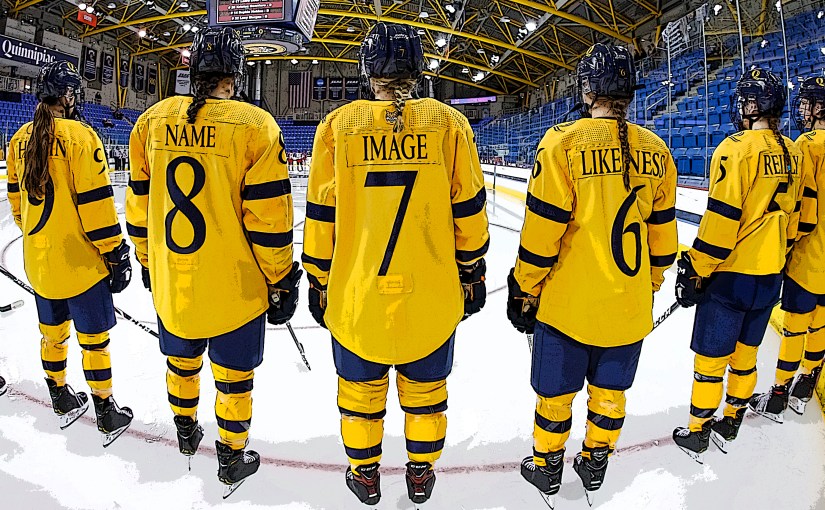
The NCAA has had a long history of maintaining amateurism rules in the realm of collegiate sports. Because collegiate student-athletes are amateurs, up until July 1, 2021, you were not allowed to be compensated for anything that involved your name, image and likeness. Earning compensation would throw you into the “professional” category and you would be deemed ineligible to compete for your school. This includes get paid to sign autographs, earning compensation for a sponsorship, advertising a brand on your own social media, profiting off your own jersey sales and pay-for-play situations. There are so many other examples, but those are some basics.
In January 2021, the NCAA Board of Governors voted on the name, image and likeness ruling that has been in debate for a few years now, and, after months of debating, student-athletes now have the opportunity to get paid for outside endorsements and compensated for name, image and likeness qualities.
Back in the summer of 2020, I was able to talk to a few of the student-athletes I work with every day about NIL. It was interesting to hear what student-athletes did and did not know about related to the debate. Their understanding of name, image and likeness rules in relation to social media, outside companies and brands was basic. In the past, the student-athletes report to their coaches, compliance officers or athletic communication directors when they have question about an NCAA rule. In a lot of cases, those administrative positions sometimes don’t have all of the answers either.
Basically, the NCAA’s rules don’t have all of the answers because the lifestyles of collegiate student-athletes have changed immensely, so the rules don’t always align to what is going on, especially in the social media world.
So, when the new ruling was voted on and successfully implemented for the 2021-22 academic year, people wondered how will student-athletes know what their opportunities are? The universities and institutions won’t be allowed to take any part in the student-athletes’ business relations.
Jill Bodensteiner, the director of athletics at St. Joseph’s and member of the NIL Committee, mentions student-athletes having the opportunity to take classes like sports management, marketing and digital storytelling at their schools (Rueb, 2020). That would be great, but, what if you have a student-athlete who has a heavy course load in, for example, a pre-med track and can’t afford to take one of those classes?
We also can assume that this process won’t be a free-for-all right from the get-go. These rules will have to be slowly implements and then examined after they are live. Things will be adjusted and changed over the course of the first couple of years. The NCAA also left up a lot to interpret in the opening legislation.
“… If you couple the name, image and likeness to a (proposed) one-time transfer, what’s to say that the University of Alabama likes my player and they come to him and approach him on a side deal? ‘Listen, come here, we’ve got this car dealer that’s going to pay you $50,000 a year to advertise for them and you’ve got an opportunity to win a national championship and you can play right now.’ That’s more like the wild, wild west in my opinion.”
Louisville head football coach Scott Satterfield
The rules the NCAA will create must be air-tight when it comes to recruiting. The goals of this new legislation are not to really change the landscape of recruiting that dramatically, and without strict rules, it very well could.
Student-athletes should have resources that can help them through this process if they so choose. If you are a student-athlete, you must keep in mind that there are only a small number of athletes that could earn life-changing money. For student-athletes with smaller followings, the money they could earn is not substantial.

I think student-athletes will find that the work that would need to go into earning compensation and advertising for brands is not worth the return. In my Zoom interview with five student-athletes I work with, all of them mentioned not being involved in searching for money-making opportunities during their playing seasons. They all said it would be a distraction during competition season, and they mentioned it could cause drama within the teams.
But, that does not mean they shouldn’t be educated on what their opportunities could look like. Breaking down the rules, what they were and how they changed, will help student-athletes know and what to expect as they progress through their time as a student-athlete. For some, this time of playing for an educational institution would be the closest thing they could have to playing professionally, as well, especially for female student-athletes.
Why not try and earn some extra money?
 MAGGIE PRUITT